Recovery has moved from optional amenity to expected training support. The business question is whether a recovery lounge becomes a disciplined profit center—or an expensive room full of equipment.
Start with the jobs members are hiring recovery to do
Most operators compare equipment first. Members begin with outcomes and rituals.
Reduce soreness so they can train again
Regular lifters and high-intensity members want to stack training and recovery without feeling wrecked.
Create an elevated weekly ritual
A clean, well-run lounge gives members a reason to stay after class and return on recovery days.
Add status and recognition
Priority booking, guest access and visible tiers can make the benefit feel meaningful without artificial exclusivity.
Members are not buying a machine. They are buying readiness, ritual and recognition.
Build a three-tier offer that is easy to explain
The figures below are planning examples, not market quotes.
| Tier | What it includes | Illustrative monthly add-on |
|---|---|---|
| Lite | Staffed-hours access; red light, cold plunge or compression; capped visits | $40–$60 |
| Core | Priority booking; more visits; guided protocols; optional monthly cryotherapy | $80–$110 |
| VIP | Broad access; expanded hours; guest passes; quarterly coach review | $150–$200 |
Validate pricing against your market, insurance requirements, equipment lease terms and actual member demand before publishing a final offer.
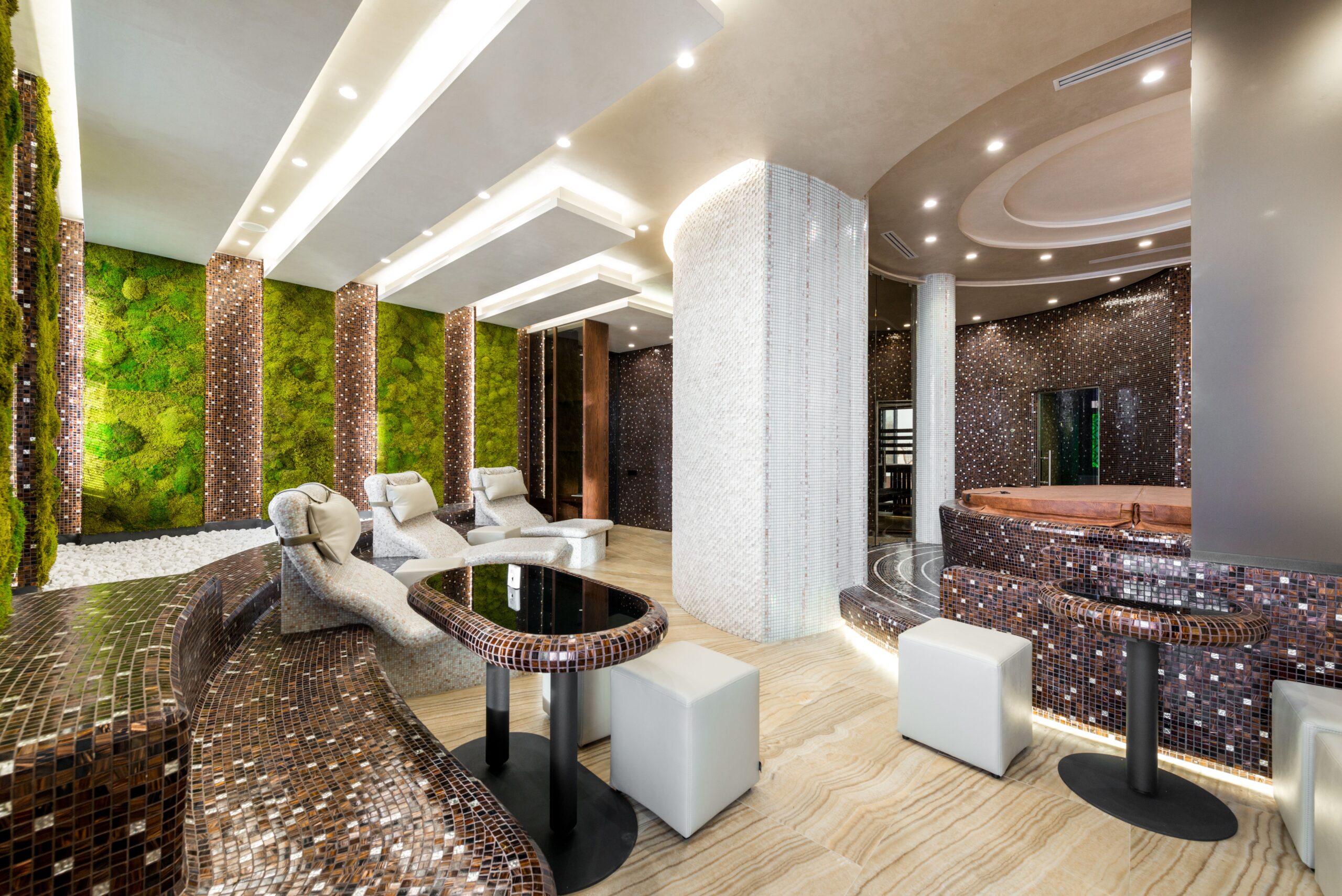
Model capital costs and payback before construction
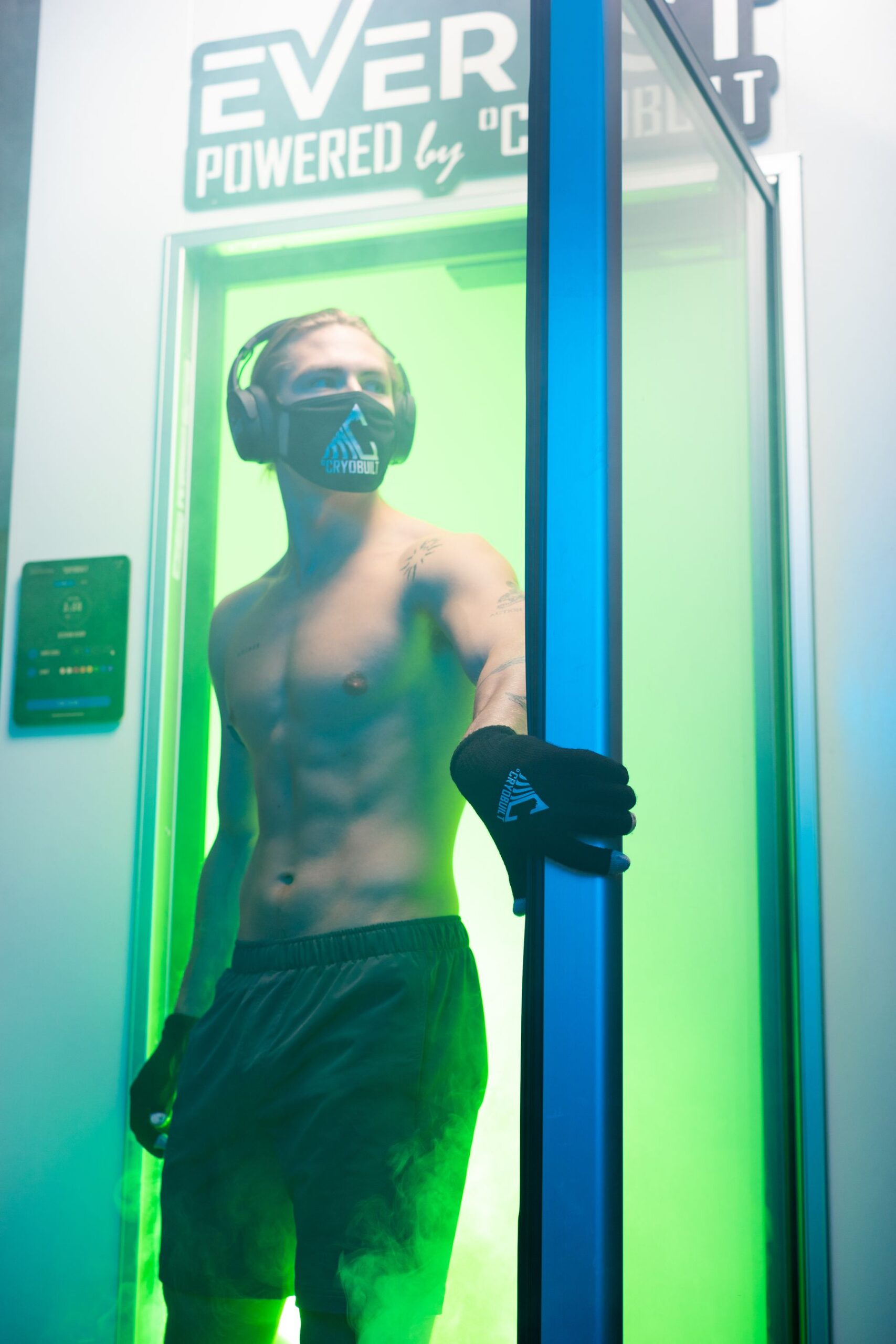
To illustrate the model, consider a three-room Dallas setup with an approximate example budget of $80,000: $22,000 for red light therapy, $13,000 for a commercial cold plunge and plumbing, $30,000 for cryotherapy, $10,000 for buildout, and $5,000 for towels, signage, laundry and booking tools.
The same example paired 50 Lite members, 35 Core members, 15 VIP members and 120 à-la-carte visits with roughly $11,000 in monthly revenue and $4,000 in added operating costs.
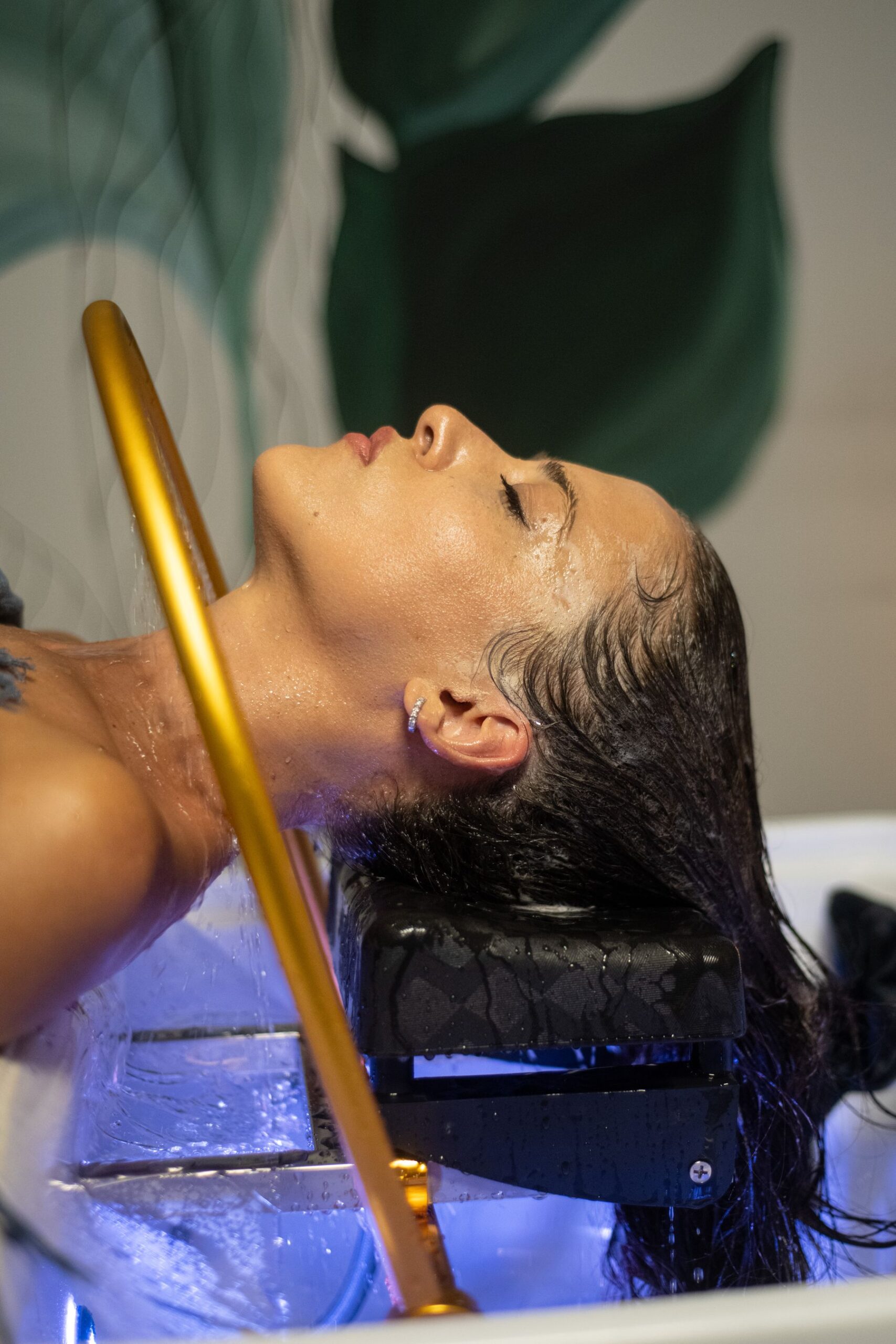
Design the modalities as one member journey
The strongest lounge is not a showroom. It is a sequence with clear timing, guidance and handoffs.
Five standards that should be non-negotiable
- Screening: use a documented intake process and identify contraindications before a member begins.
- Guided first sessions: give staff a clear orientation script and never assume a member understands the equipment.
- Time limits: publish session caps and booking rules so high-demand equipment stays available.
- Training: document staff refreshers, incident handling and equipment shutdown procedures.
- Cleanliness and privacy: define towel, laundry, sanitation and changing-area standards.
Launch the lounge as a program, not a room
- 01
Package the tiers.
Create clearly named products in your membership and booking system.
- 02
Train the team.
Rehearse a brief explanation for tours, renewals and member check-ins.
- 03
Seed demand.
Invite a controlled pilot group and collect practical feedback before a broad launch.
- 04
Show the ritual.
Produce one hero story and a sequence of short member-education clips.
- 05
Review weekly.
Watch bookings, repeat use, upgrades, incidents and equipment downtime.
Questions to answer before launch
Should every gym add cryotherapy?
No. Equipment should follow member demand, staffing capacity, floor-plan constraints and a credible utilization forecast.
Can recovery be sold à la carte?
Yes, but a clear membership ladder usually makes recurring value easier to understand. À-la-carte sessions can still support trials, guest use and lower-commitment buyers.
What should be measured after launch?
Track utilization by modality, repeat use, upgrades, cancellations, revenue per square foot, labor and utility cost, maintenance, incidents and the percentage of recovery users who remain active members.