Members already carry coaching apps, wearables and training data into the gym. The opportunity is to connect that information to a coach-led experience without making the app the center of the relationship.
What AI coaching is—and is not
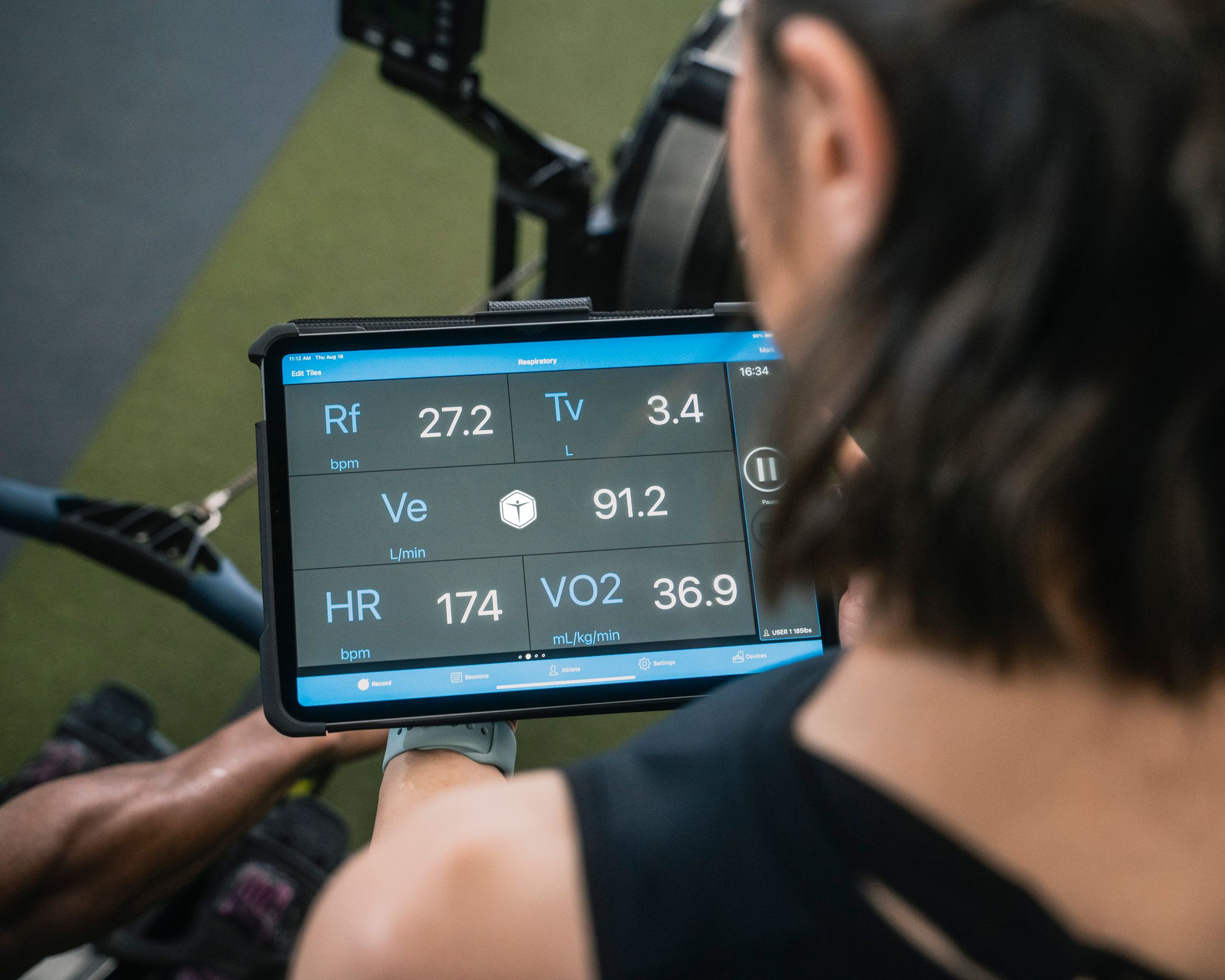
An AI coaching tool can use inputs such as heart rate, steps, perceived exertion and sleep to suggest a plan for the next one to three days. That can make a program more responsive, but it does not replace judgment, communication or accountability.
Use AI for the plan and coaches for the person.
Map the member journey before choosing software
Start with the moments the member and coach must experience. Then decide what technology needs to support.
| Moment | Member experience | Coach or staff role |
|---|---|---|
| Before class | Connect a supported app or wearable; confirm the week’s goal | Run a brief sync check and preview relevant targets |
| During class | Follow the coached session while the device records effort | Cue movement, monitor the room and override inappropriate targets |
| After class | Receive a recap and a specific next step | Add human context, reinforce progress and identify follow-up needs |
Keep data collection narrow and understandable
Collect only data the program actually uses. Explain what is collected, why it matters, where it is stored, how long it is retained and how a member can opt out.
Plain-language consent, limited data fields, role-based staff access, a retention period, an opt-out path and a documented process for deletion or correction.
A 30-day integration plan
A narrow pilot creates better operational learning than a broad announcement.
Plan and prepare
Choose one or two tools, define three metrics, draft consent language and document the first operating procedure.
Run a controlled pilot
Enroll a small group across one or two anchor classes. Test syncing, coach visibility, recaps and common failures.
Expand and systemize
Add more classes only after the pilot is stable. Hold short coach huddles and maintain a lightweight issue log.
Review and decide
Evaluate adoption, adherence, staff time, support burden and member feedback before continuing.
The KPI dashboard should fit on one screen
The point is not to measure everything. It is to see whether the tool improves the member experience or the economics.
- Connected members as a percentage of active members
- Weekly active AI or wearable users
- Program adherence and challenge completion
- Personal-training or plan-review uptake
- Coach time spent on setup and troubleshooting
- Member feedback and support volume
What gym owners need to decide
Will AI replace trainers?
Not in the operating model described here. Software remembers targets and produces suggestions; coaches teach movement, read the room, adjust the plan and build community.
Which apps should a gym support first?
Start with tools members already use and that can export data appropriately. Compatibility, privacy terms and available integrations should be verified before launch.